

Missed Periods and Infertility: Is it PCOS/PMOS or Premature Ovarian Insufficiency (POI)?
For women who are trying to conceive (TTC) and preparing to build a family, the menstrual cycle is a crucial compass indicating reproductive health. Whenever a period goes missing or becomes highly irregular, anxiety inevitably follows.
- Missed Periods and Infertility: Is it PCOS/PMOS or Premature Ovarian Insufficiency (POI)?
- Why Do Irregular Periods Lead to Infertility?
- PMOS (Polyendocrine Metabolic Ovarian Syndrome) , recently referred to as PMOS (Polyendocrine Metabolic Ovarian Syndrome): When Hormonal Imbalance Stops Ovulation
- POI (Primary Ovarian Insufficiency): When Ovarian Reserve Depletes Prematurely
- Comparison Table: Which Condition Are You Leaning Towards?
- How to Check Your Ovarian Reserve: Know Early, Plan Better
- Why Choose SAFE Fertility For ICSI/IVF in Thailand?
- Why Do Irregular Periods Lead to Infertility?
- Conclusion
Many have heard that these symptoms are red flags for PMOS. However, medically speaking, a missed period can also be the onset of a more complex condition, such as Primary Ovarian Insufficiency (POI). This article will help you understand your body’s mechanisms, differentiate between these two conditions, and find the safest, most appropriate solution for your fertility journey.
Why Do Irregular Periods Lead to Infertility?
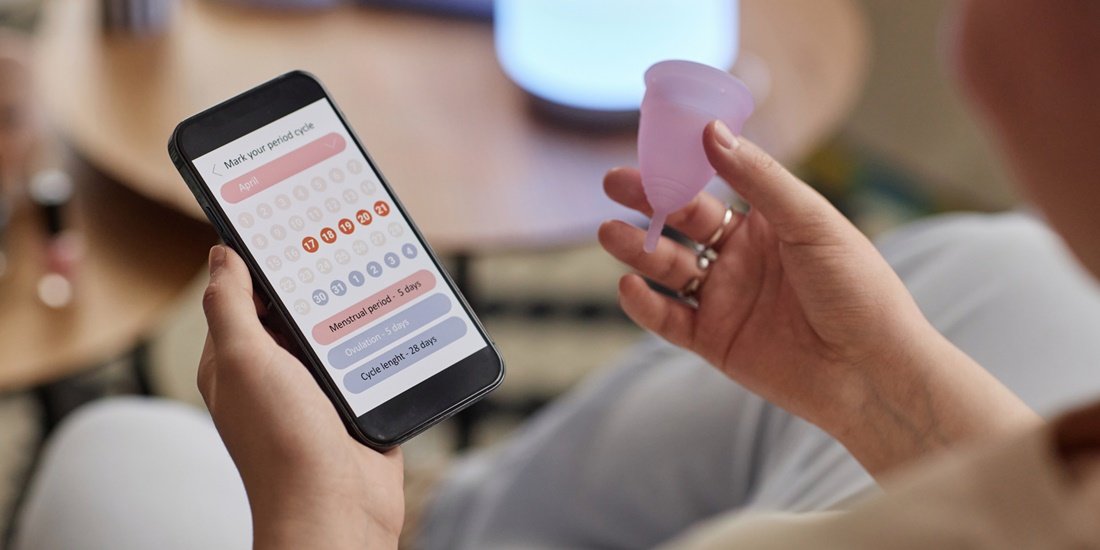
In a woman's natural reproductive cycle, menstruation is the result of an egg being released (ovulation) but not fertilized by sperm, causing the uterine lining to shed. Therefore, if your period stops, it usually points to Anovulation (the absence of ovulation).
Without an egg waiting to be fertilized, natural conception becomes nearly impossible. This is the primary root of infertility for many women. Chronic anovulation is mostly driven by two major conditions with entirely different mechanisms:
PMOS (Polyendocrine Metabolic Ovarian Syndrome) , recently referred to as PMOS (Polyendocrine Metabolic Ovarian Syndrome): When Hormonal Imbalance Stops Ovulation

PMOS is a condition where the body's hormones are out of balance, often characterized by the overproduction of "male hormones" (Androgens).
- The Mechanism: The ovaries contain a large number of follicles (more than average), but these follicles "fail to mature and release an egg." They remain in the ovaries as multiple small cysts.
- Key Symptoms: Patients often experience chronic acne, oily skin, hirsutism (excess facial or body hair), and rapid weight gain due to insulin resistance.
- Treatment Approach: For those not looking to get pregnant, doctors often prescribe oral contraceptives to regulate hormones. However, for those trying to conceive, specific medications are used to properly induce ovulation.
POI (Primary Ovarian Insufficiency): When Ovarian Reserve Depletes Prematurely

POI, often colloquially known as premature menopause, occurs when the ovaries decline or stop functioning normally before the age of 40.
- The Mechanism: Unlike PMOS, the core issue with POI is a "severe depletion of the ovarian reserve." The ovaries can no longer produce adequate amounts of the hormone Estrogen.
- Key Symptoms: Symptoms mimic those of menopause, including hot flashes, night sweats, vaginal dryness, and mood swings. Long-term, it increases the risk of osteoporosis and heart disease.
- Treatment Approach: The primary treatment is not birth control, but Hormone Replacement Therapy (HRT) to replace missing estrogen and prevent long-term health issues. If pregnancy is the goal, close consultation with a fertility specialist is absolutely necessary.
Comparison Table: Which Condition Are You Leaning Towards?
| Clinical Observation | PMOS (Hormonal Imbalance) | POI (Diminished Reserve) |
|---|---|---|
| Core Problem | Many eggs, but they fail to mature/ovulate | Depleted egg reserve; ovaries stop working |
| Physical Symptoms | Acne, oily skin, excess hair, easy weight gain | Hot flashes, vaginal dryness, mood swings |
| Hormone Profile | High Androgens (Male hormones) | Abnormally high FSH / Very low Estrogen |
| Ultrasound Findings | Multiple small follicles (cysts) visible | Small ovaries; lack of PMOS-like cysts |
| General Treatment Goal | Control male hormones / Manage insulin | Hormone Replacement Therapy (HRT) |
How to Check Your Ovarian Reserve: Know Early, Plan Better
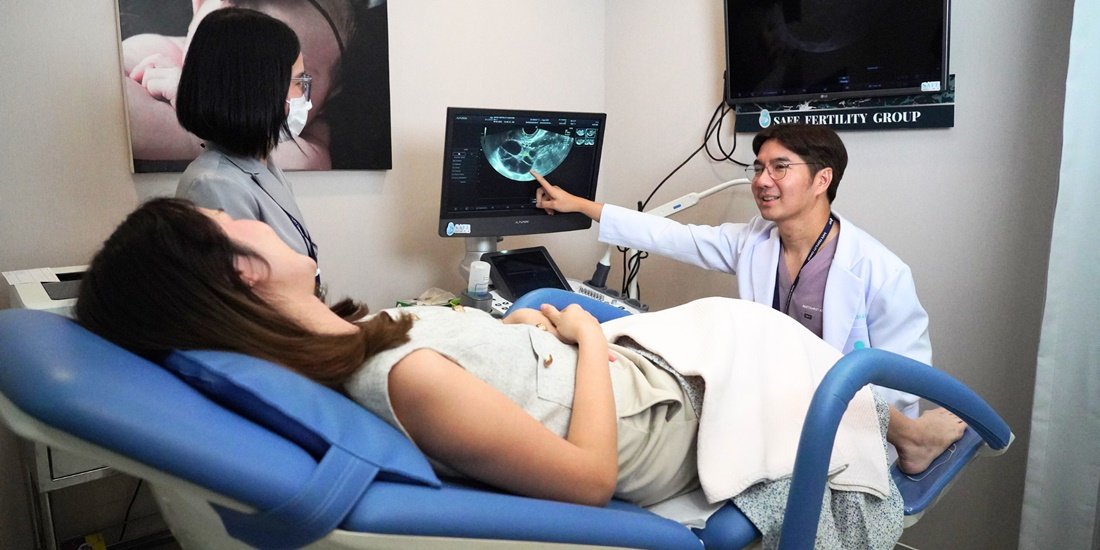
If your period has been absent for more than three cycles, your first step shouldn't be buying over-the-counter hormone pills. You should consult a specialist to accurately assess your ovarian function through medical testing:
- AMH and FSH Blood Tests: The AMH (Anti-Mullerian Hormone) test is the most accurate indicator of your remaining egg reserve. The FSH test helps determine if your ovaries are entering a state of decline.
- Transvaginal Ultrasound: This evaluates the structure of your ovaries, your Antral Follicle Count (AFC), and the thickness of your uterine lining.
These assessments are the vital first steps for anyone wanting to have a baby. If you are interested in a comprehensive evaluation, you can learn more about our Premarital Health Screening Program to help you properly plan your family.
Why Choose SAFE Fertility For ICSI/IVF in Thailand?
When dealing with complex conditions like PMOS or POI, choosing the right fertility clinic is one of the most critical decisions you will make. SAFE Fertility Group provides a comprehensive service driven by a team of highly experienced doctors and embryologists, making us a leading destination for ICSI and IVF in Thailand.
- First in Thailand with RTAC Accreditation: Patient safety is our absolute priority. We are proud to be the first fertility clinic in Thailand accredited by the Reproductive Technology Accreditation Committee (RTAC) from Australia and New Zealand, ensuring world-class standards of care.
- Exceptional Success Rates: By combining deep medical expertise with highly efficient assisted reproductive technologies, we maximize your chances of a healthy pregnancy. For treatments utilizing ICSI combined with PGT (Preimplantation Genetic Testing), we achieve outstanding success rates of up to 80%.
- 1-on-1 Multilingual Personal Assistant (PA): At SAFE Fertility Group PCL, care goes beyond medical expertise—it’s deeply personal. Every patient is paired with their own dedicated Personal Assistant from day one. Your PA knows your case inside out, monitors your treatment in real time, and communicates directly with your doctor, so nothing is ever missed. Our multilingual team seamlessly supports English, Chinese, Japanese, Vietnamese, and more. Because at SAFE, we don’t just treat patients; we care for people.
- Convenient Locations Nationwide: To provide accessible care, we operate across 5 branches in Thailand, including Gaysorn Amarin (Bangkok), Ramindra (Bangkok), Khon Kaen, Phuket, and Sriracha.
Conclusion
Whether your missed periods stem from the hormonal imbalances of PMOS or the declining egg reserve of POI, the most important thing is not to ignore it. Identifying the root cause is the key to receiving the most accurate and targeted treatment.
We believe that the hope of having a child should be nurtured with scientific excellence, empathy, and profound respect for every woman's unique body. Discovering the root cause early gives you a significant advantage in planning your treatment and utilizing medical technology to your benefit.
Every hope begins with understanding... Let us guide your next steps. If you or your partner are concerned about irregular periods or wish to assess your fertility before pregnancy, reach out to our specialists at SAFE Fertility Group today. 💬 [Click here to book an initial assessment or consult our medical team]

Article by: Nattharut Kulphaweesuwan, M.D. (Dr.Kong)
SAFE Fertility Group PCL, Gaysorn Amarin Branch
Medical License Number 37453
References:
Teede HJ, et al. Recommendations from the 2023 international evidence-based guideline for the assessment and management of polycystic ovary syndrome. European Journal of Endocrinology. 2023.
ESHRE Guideline Group on POI. Management of women with premature ovarian insufficiency. Human Reproduction. 2016.
Nelson LM. Clinical practice: Primary ovarian insufficiency. The New England Journal of Medicine. 2009.