

4 Research Studies from SAFE Fertility Clinic and NGG Thailand Presented at the 7th BCM-CUHK Joint Symposium in Clinical Genetics 2026 in Hong Kong, Reinforcing Continuous Advancement in Genetic Testing Technology
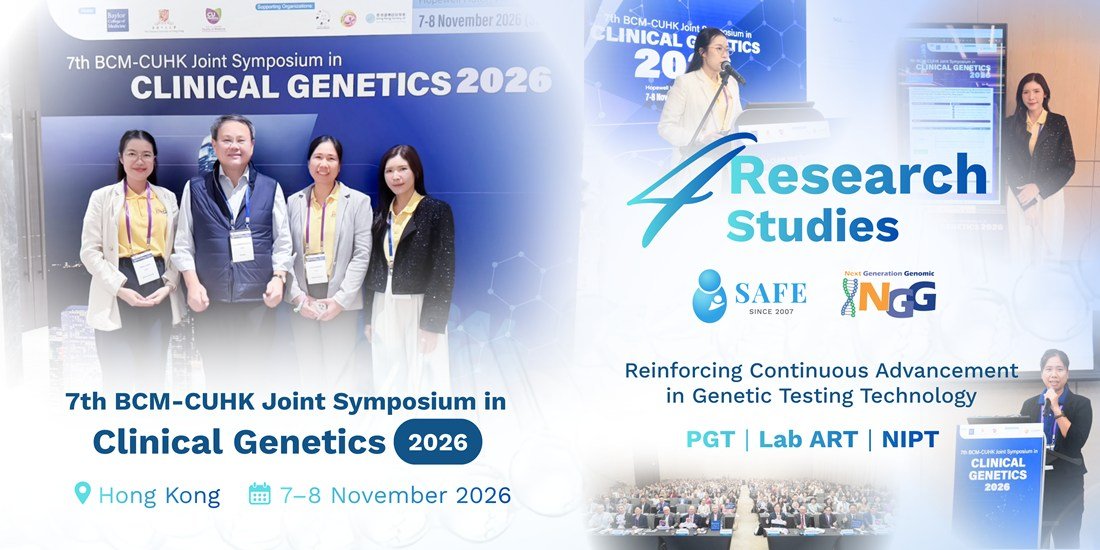
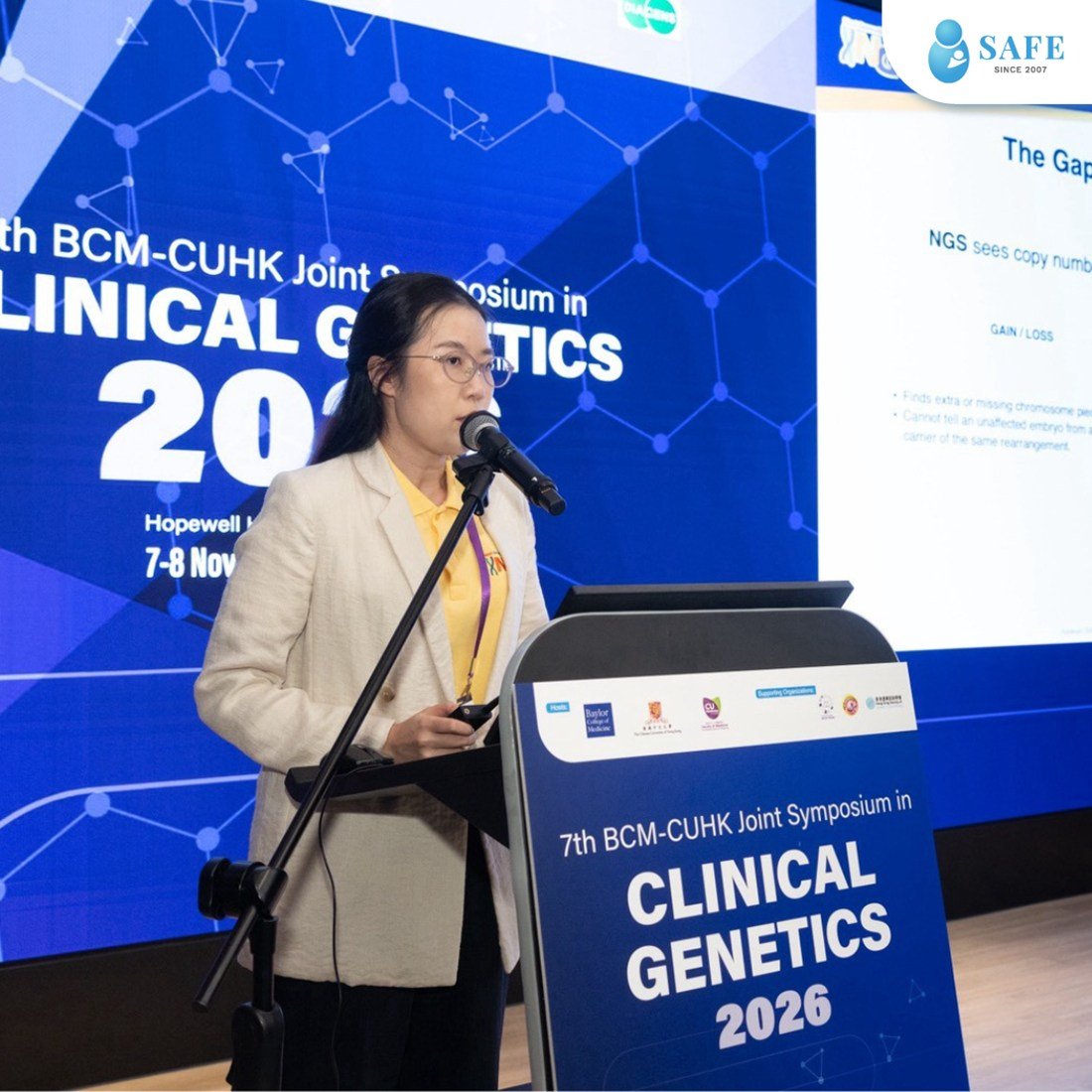
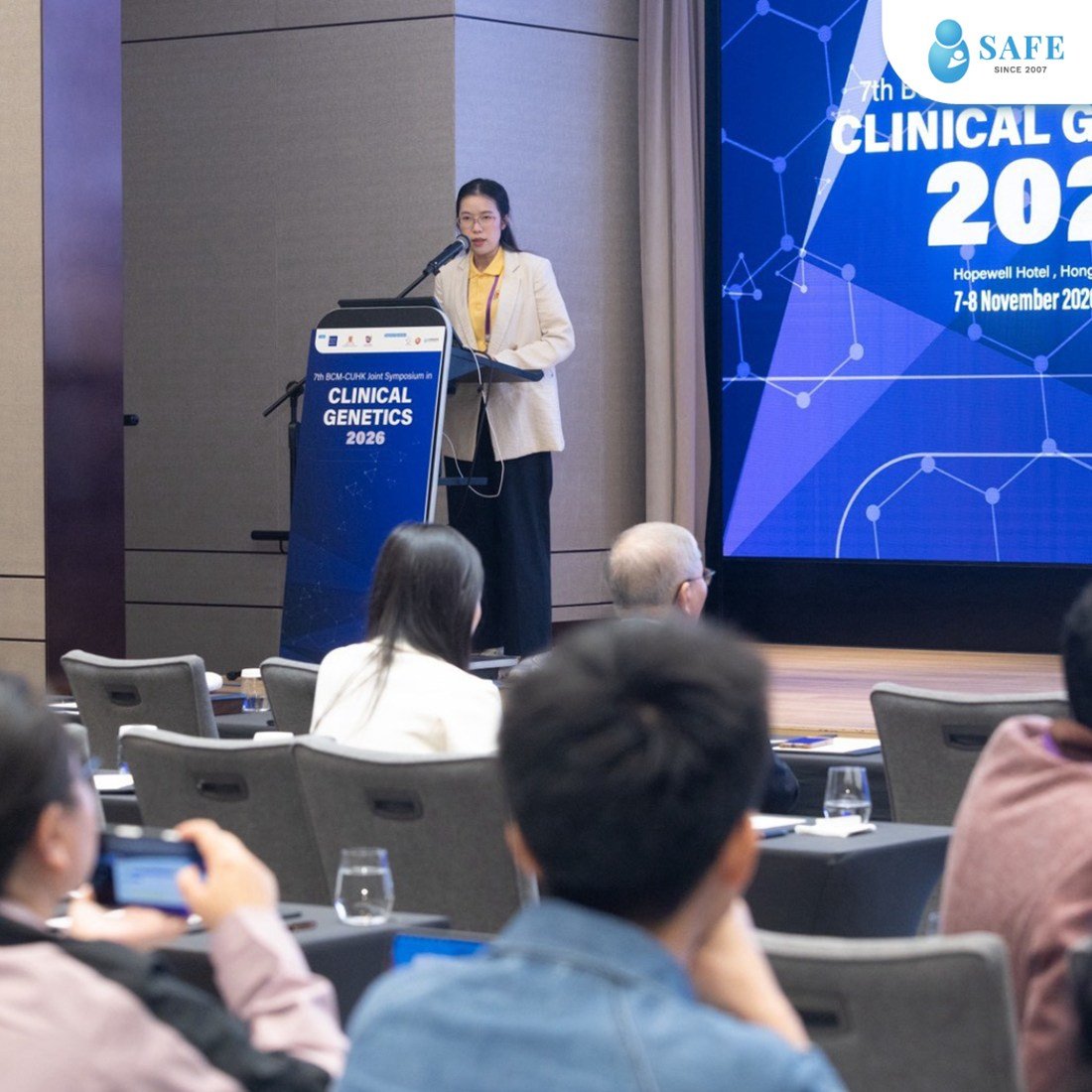
SAFE Fertility Group PCL, in collaboration with its subsidiary Next Generation Genomic Co., Ltd. (NGG Thailand), led by Wiwat Quangkananurug, M.D. (Medical License No. 14960), Founder and Chief Executive Officer of SAFE Fertility Group PCL, along with its team of clinical scientists, was honored to present four scientific research studies covering preimplantation genetic testing, Assisted Reproductive Technology (ART) laboratory practices, and prenatal screening at the 7th BCM-CUHK Joint Symposium in Clinical Genetics 2026. The event took place at the Hopewell Hotel, Hong Kong, from November 7–8, 2026, featuring two oral presentations and two E-Poster presentations.
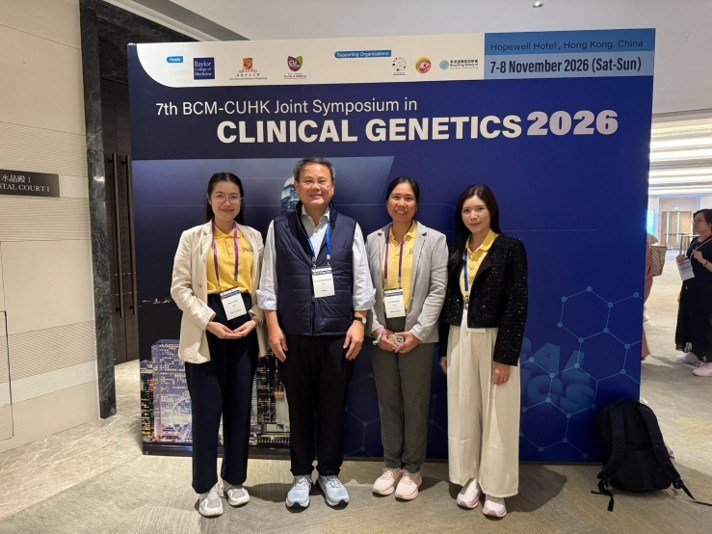
This international presentation reflects the unwavering commitment of SAFE Fertility and NGG Thailand to analyzing real-world clinical data to continuously advance laboratory processes and genetic testing technologies.
1. Karyomapping-Based Preimplantation Genetic Testing for Structural Rearrangements: Subtype-Stratified Embryo Classification, Carrier Status Resolution, and Pregnancy Outcomes
Author/Presenter: Patthorn Jaikla, Medical Technologist, NGG Thailand
Individuals carrying balanced chromosomal translocations are usually healthy, but they can pass an unbalanced chromosome complement to their embryos, which can lead to implantation failure, miscarriage, or an unsuccessful pregnancy. In this study, every embryo analysed by Karyomapping received a definitive result, with no inconclusive results. Beyond detecting chromosomal imbalance, the method identified which embryos were balanced carriers, meaning they had a complete chromosome set but had inherited the same translocation as a parent. The proportion of unbalanced embryos also differed by type of structural rearrangement, which can help clinicians tailor genetic counselling before treatment and guide the choice of embryo for transfer.
In this study, the research team analyzed 97 embryos from 7 couples undergoing fertility treatment between 2020 and 2026, revealing the following clinical insights:
- Conclusive Results: Every embryo yielded a definitive genetic diagnosis with zero inconclusive outcomes.
- Chromosomal Abnormalities & Transferable Rates: Approximately half of the embryos (52.6%) exhibited chromosomal gains or losses resulting from structural rearrangements, while approximately one-third (35.1%) were chromosomally balanced/normal and eligible for transfer.
- Live Birth Outcomes: Across 7 embryo transfer cycles, the clinical pregnancy rate was 71.4% (5 out of 7 cycles), and every pregnancy resulted in a live birth.
Karyomapping-based PGT-SR gave a conclusive result for every embryo tested and distinguished chromosomally normal embryos from balanced carriers, giving couples with a chromosomal rearrangement complete information when selecting embryos for transfer. As these findings are derived from a small sample size, further validation in a larger cohort is recommended.
2. PGT-A and Clinical Outcomes Following Laser-Induced Vacuole Disruption in Vacuolated Embryos
Author/Presenter: Dr. Sirikul Kulanuwat, Medical Technologist, NGG Thailand
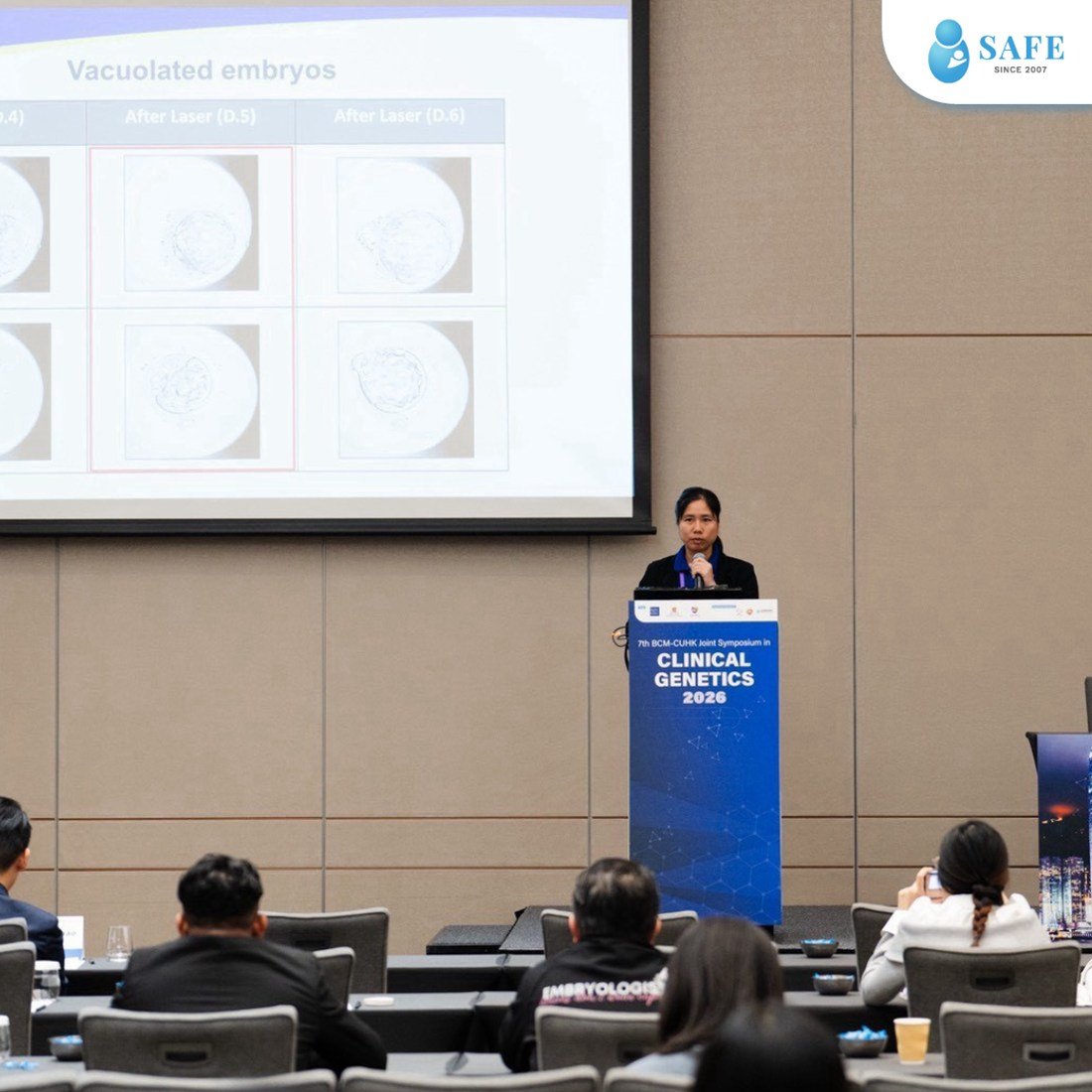
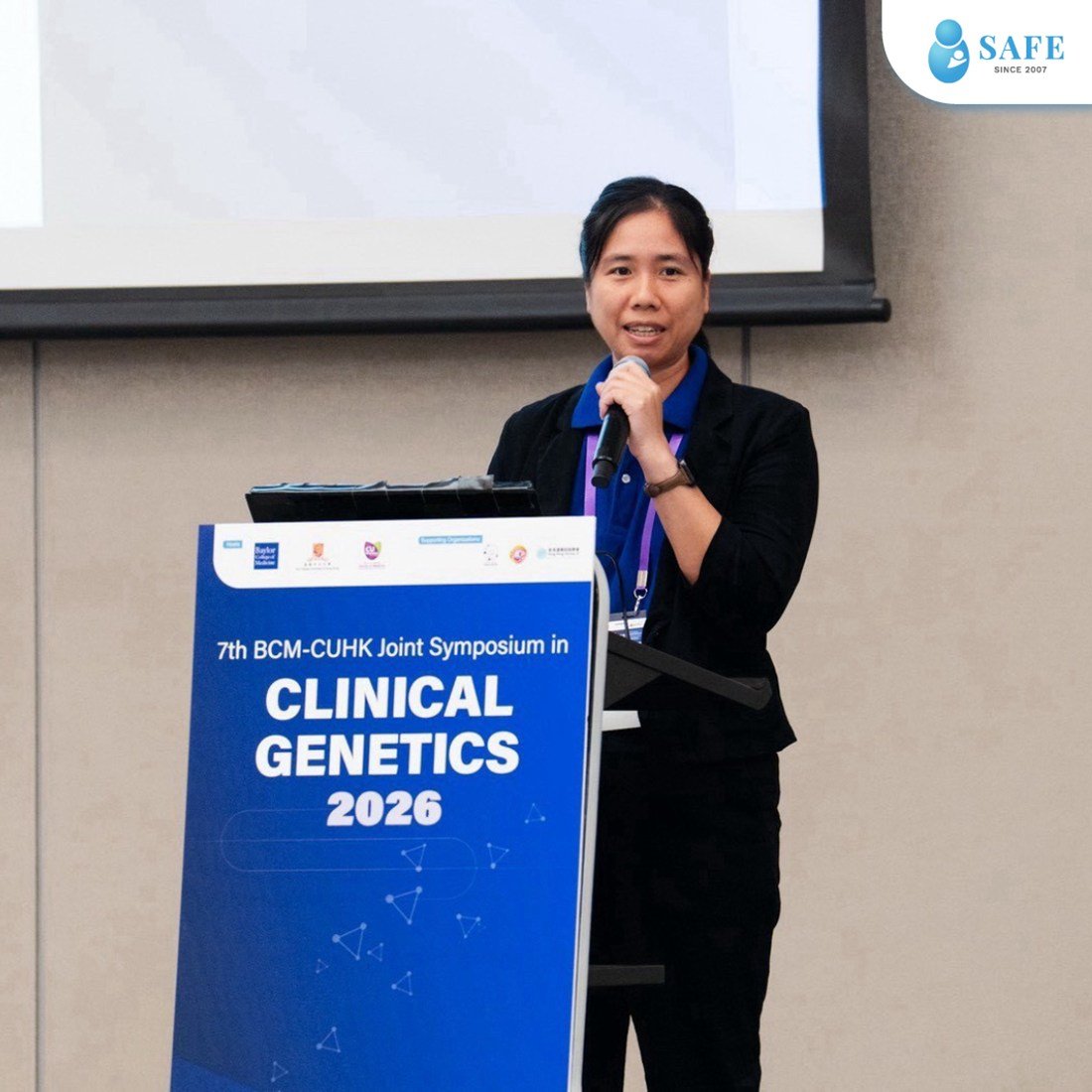
During embryological assessment, the presence of cytoplasmic vacuoles often raises clinical questions regarding whether the embryo remains suitable for chromosomal aneuploidy screening or uterine transfer. To address this, the research team evaluated 30 vacuolated embryos (out of 146 embryos from 21 patients) that underwent laser-induced vacuole disruption on Day 4 or Day 5 of embryo culture. After that, chromosomal status was assessed by Preimplantation Genetic Testing for Aneuploidy (PGT-A). Non-vacuolated sibling embryos from the same patients served as the control group.
The study demonstrated the following results:
- Blastocyst Morphology: Vacuolated embryos showed a trend toward lower morphological grades; however, the difference was not statistically significant
- Chromosomal Ploidy Rates: PGT-A chromosomal screening outcomes of vacuolated embryos showed no statistically significant difference compared to non-vacuolated embryos.
- Pregnancy Rates: Clinical pregnancy rates following the transfer of non-aneuploid embryos showed no statistically significant difference between the two groups.
The researcher team concluded that the presence of vacuole in an embryo alone should not be a reason to exclude it from PGT-A or clinical consideration for transfer. However, further studies with larger sample sizes are needed to confirm these findings.
3. Analytical Validation of Whole-Genome Single-End Sequencing–Based Noninvasive Prenatal Testing for Detecting Submicroscopic Telomeric and Pericentromeric Fetal Copy Number Variants: Insights From Two Rare Cases
Author/Presenter: Saripaporn Suwannasing, Medical Technologist, NGG Thailand
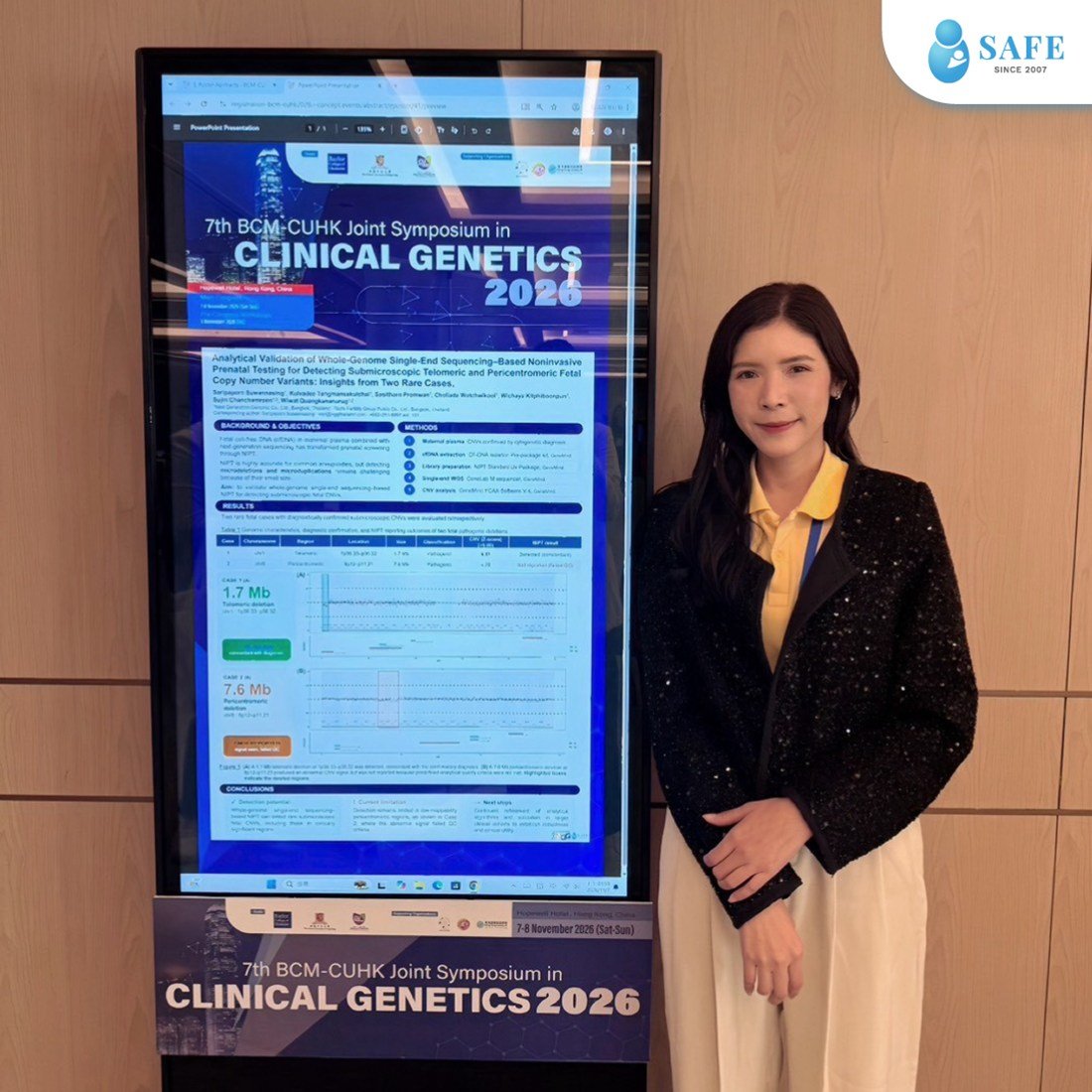
This study evaluated the analytical performance of Noninvasive Prenatal Testing (NIPT)—a prenatal screening method analyzing cell-free fetal DNA from maternal blood—utilizing Whole-Genome Single-End Sequencing to detect submicroscopic fetal Copy Number Variants (CNVs). A retrospective validation was conducted on maternal blood samples from two rare clinical cases with confirmed cytogenetic diagnoses of fetal microdeletions.
Key insights from the validation include:
- Submicroscopic Telomeric Detection: Single-end NIPT correctly detected a small 1.7 Mb pathogenic telomeric deletion (1p36.33–p36.32), showing complete concordance with the confirmatory diagnostic result.
- Current Limitations in Pericentromeric Regions: It did not report a 7.6 Mb pathogenic pericentromeric deletion (8p12–p11.21) because the sample did not pass Quality Control (QC) thresholds despite exhibiting an abnormal CNV signal.
While these results demonstrate the strong potential of whole-genome single-end sequencing NIPT in identifying rare submicroscopic fetal CNVs, they also highlight the method's current limitations in pericentromeric regions due to low sequence mappability. Continued refinement of analytical algorithms and validation in larger clinical cohorts are recommended to establish broader clinical utility.
4. Unexpected Discrepancy Between NIPT, Ultrasound, and Phenotype: Ambiguous Genitalia in a Fetus with 45,X/46,XY Mosaicism
Author: Chollada Wetchwikool, NIPT Laboratory Scientist, NGG Thailand
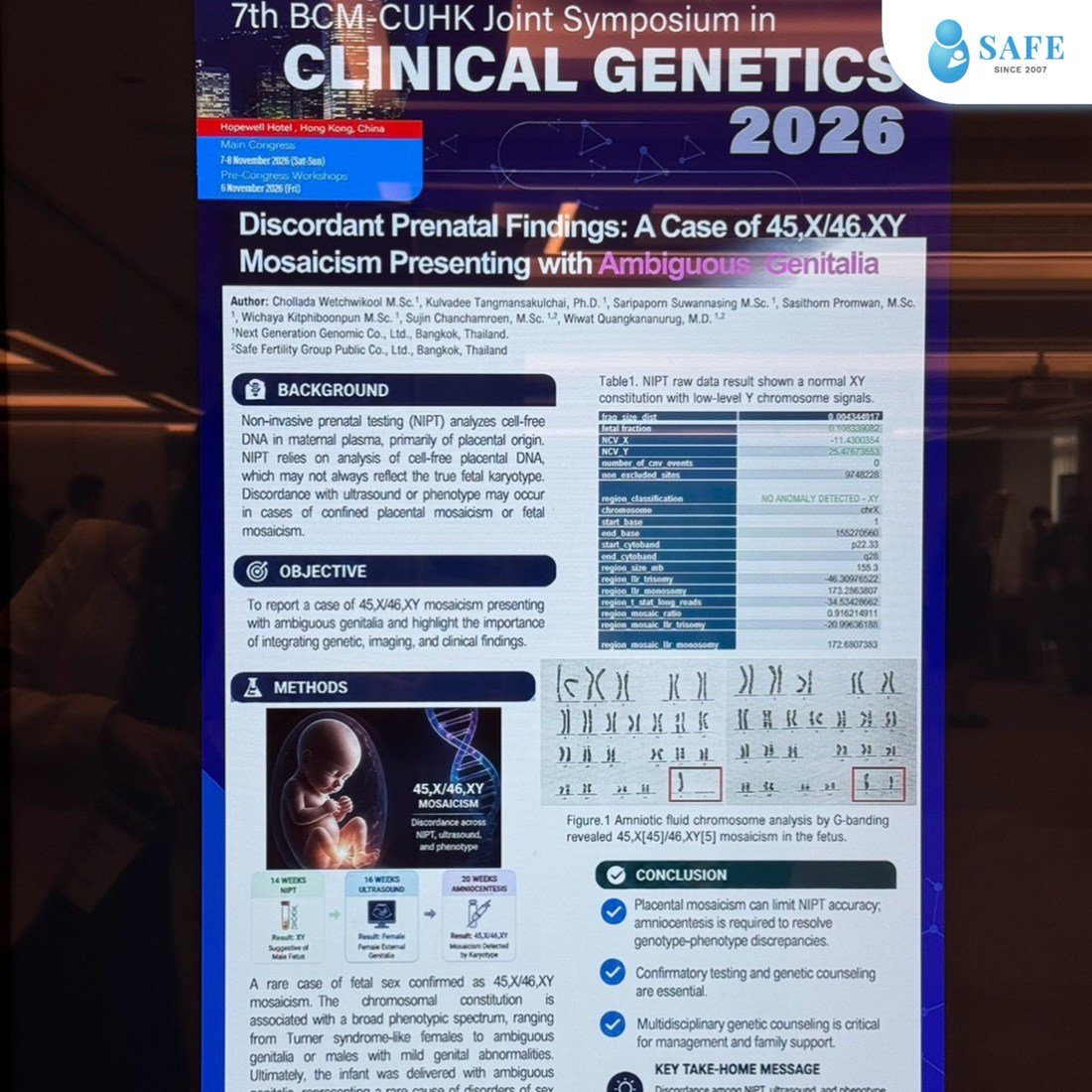
This case report describes a 32-year-old pregnant patient whose initial NIPT screening indicated the presence of a Y chromosome (suggestive of a male fetus), which disagrees with fetal ultrasound findings. A repeat NIPT at 17 weeks of gestation continued to detect Y chromosome signals, prompting confirmatory diagnostic testing via amniocentesis at 20 weeks of gestation.
Amniotic fluid chromosome analysis later confirmed 45,X/46,XY mosaicism—a rare chromosomal condition characterized by two distinct sex chromosome cell lines within the fetus: 45,X (monosomy X, associated with Turner syndrome) and 46,XY (typical male sex chromosome complement). Ultimately, the infant was delivered with ambiguous genitalia, classified under Disorders of Sex Development (DSD).
This case underscores that NIPT and prenatal ultrasound should serve as complementary screening tools. When discordant findings occur between genotype and phenotype, invasive confirmatory testing via amniocentesis is essential. Furthermore, comprehensive genetic counselling and multidisciplinary care matter greatly in providing families with accurate information and appropriate clinical support when navigating conflicting laboratory results.
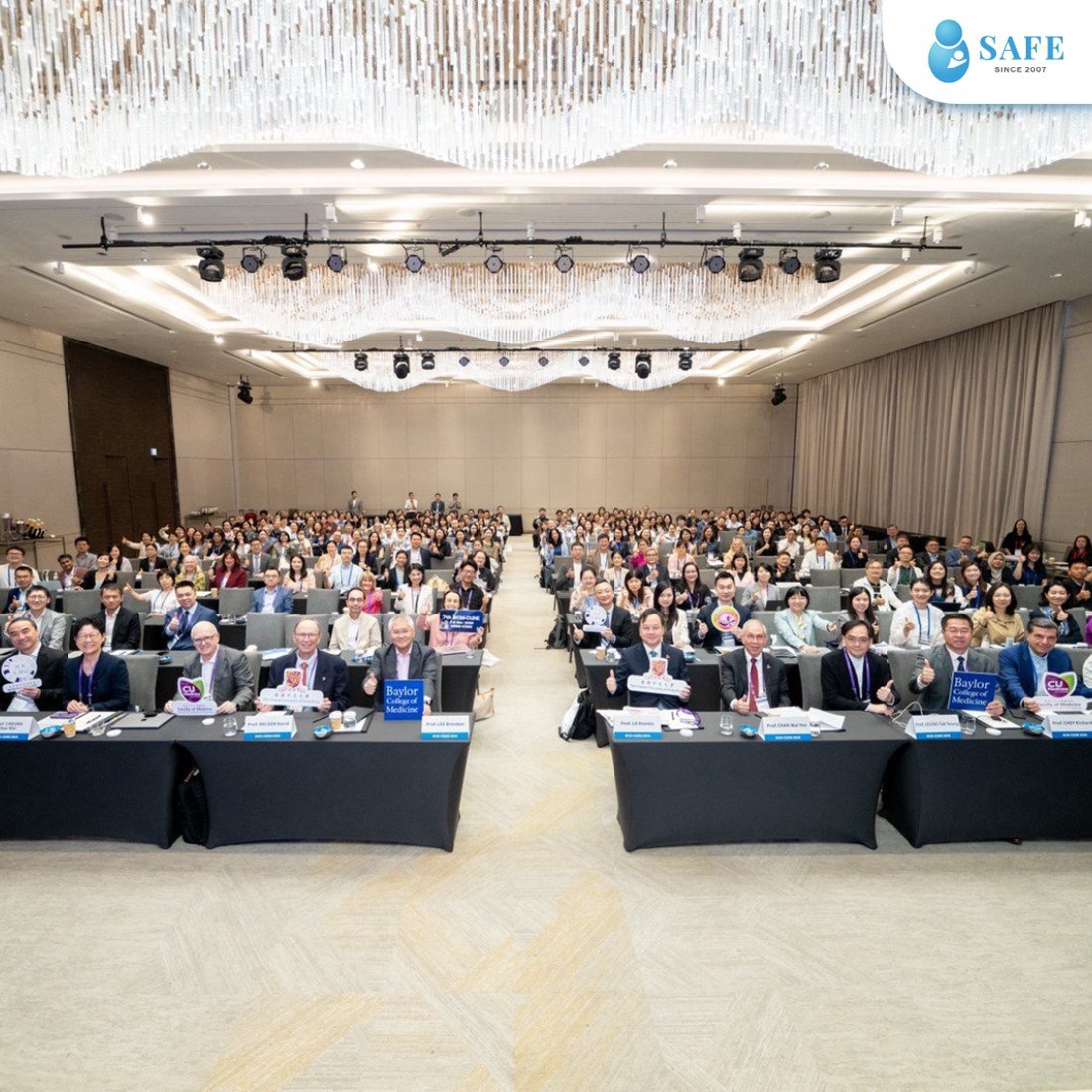
All four research studies stem from SAFE Fertility Group PCL’s core philosophy: going beyond the adoption of advanced technology by rigorously monitoring real-world clinical outcomes—from preimplantation genetic testing and embryology culture to prenatal screening—and collaborating with international genetics experts to drive continuous innovation.
Every laboratory operation is governed by strict quality management systems certified to international standards, including RTAC (Reproductive Technology Accreditation Committee) and ISO 9001:2015, alongside regular participation in external quality assessment programs such as UK NEQAS. Through ongoing scientific research, SAFE Fertility Group PCL remains dedicated to empowering every family with accurate, comprehensive, and trustworthy medical care