

Endometriosis: The Silent Warning Sign of Infertility
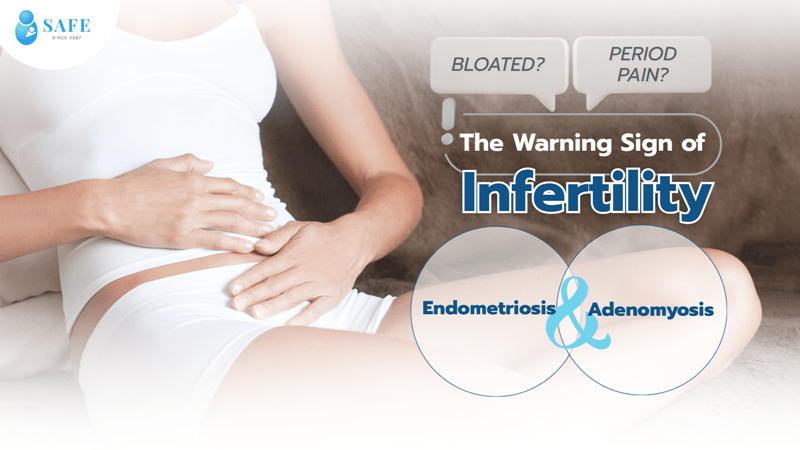
An unusually bloated abdomen, despite careful dieting and exercise, or debilitating period pain that requires monthly medication, are often dismissed as normal parts of being a woman. In reality, these symptoms may be your body’s warning signs of Endometriosis, a major barrier to natural conception.
The abnormalities caused by Endometriosis—commonly known as Chocolate Cysts and Adenomyosis (Enlarged Uterus)—do more than just cause pain. They impact the entire reproductive system, from egg quality to a uterine environment that is unfavorable for pregnancy, making them primary causes of infertility that require targeted treatment.
Chocolate Cysts vs. Adenomyosis: How Do They Differ and Why Do They Cause Infertility?
Both Chocolate Cysts and Adenomyosis originate from the same root cause: Endometriosis. However, they occur in different locations, creating distinct obstacles to pregnancy.
1. Chocolate Cysts (Endometriosis)
This occurs when the uterine lining grows abnormally on the ovaries. As menstrual blood backflows and accumulates over time, it forms dark fluid-filled sacs. This leads to chronic pelvic inflammation, damages ovarian tissue, degrades egg quality, and disrupts the timing of fertilization and embryo implantation
Can I get pregnant with Chocolate Cysts?
Chocolate cysts don't just cause pain during menstruation; they are lesions indicating an underlying condition that directly impacts your chances of pregnancy:
- Declining Egg Quality: Inflammatory cytokines within the cyst damage ovarian tissue, causing eggs to age prematurely and reducing their quality. In IVF/ICSI processes, the ovaries may also respond poorly to stimulation.
- Pelvic Adhesions: The body creates adhesions to repair inflammation, but these often pull and distort the fallopian tubes, making it harder for the egg and sperm to meet.
- Impaired Immunity: Inflammatory substances can cause the pelvic immune system to function abnormally, affecting embryo implantation.
2. Adenomyosis (Enlarged Uterus)
This occurs when the uterine lining grows within the uterine muscular wall. The tissue infiltrates the muscles, causing the uterus to thicken and become misshapen, which directly hinders embryo implantation.
- Adenomyosis: A structural barrier to implantation success This condition directly affects the uterine wall—the destination where an embryo must attach. It blocks pregnancy through several physiological factors:
- Abnormal Blood Supply: As tissue infiltrates the muscle layer, internal pressure increases and compresses blood vessels supplying the lining, leaving it unprepared for implantation.
- Irregular Uterine Contractions: Adenomyosis causes the uterus to contract more severely than normal, which can lead to implantation failure or early-stage miscarriage.
- Abnormal Hormonal Response: Both conditions can lead to Progesterone Resistance, meaning the hormone responsible for preparing the uterine lining cannot work effectively.
- Chronic Uterine Inflammation: These conditions create an environment full of inflammatory chemicals that disrupt the signaling between the embryo and the uterine wall.
Warning Signs You Should Check Before It’s Too Late
- Increasingly severe menstrual cramps (Dysmenorrhea).
- Chronic pelvic pain, even when not menstruating.
- Heavy periods or cycles lasting longer than 7 days (common in Adenomyosis).
- Deep pain during intercourse (Dyspareunia).
- A firm, bloated, or tender lower abdomen.
- Ultrasound results showing uneven uterine wall thickness or Chocolate Cysts.
- Trying to conceive for over a year without success.
Preparing for Success: Managing Endometriosis for Successful Implantation
While these conditions are concerning, they are not the end of your hope. The key is to optimize the uterine environment before embryo transfer:
- Medical Control: Using GnRH agonists to temporarily "pause" hormones helps reduce inflammation and shrink cysts or uterine thickness.
- Laparoscopic Surgery: In cases of large cysts or localized Adenomyoma, surgery can remove lesions and adhesions to balance the uterus.
- Personalized Endometrial Preparation: For Adenomyosis, specialists use longer preparation times and medication to ensure precise timing for implantation.
- Embryo Chromosome Screening (PGT-A): Since egg quality may be affected, selecting the most healthy embryos for IVF/ICSI reduces miscarriage rates.
Chocolate Cysts and Adenomyosis may seem like difficult hurdles, but the right understanding and targeted treatment can turn anxiety into an opportunity for success.
If you are struggling to conceive, SAFE Fertility Clinic is ready to help. With our team of Specialists and international-standard technology, we ensure these conditions are managed before starting your IVF/ICSI journey. Because we believe every success starts with care that is precise and understands you.

Manop Janthanaphan, M.D. , M.Sc. (Medical License Number: 28364)
Obstetrician & Gynecologist, Specialist in Gynecologic Oncology & Minimally Invasive Surgery
SAFE Fertility Clinic, Phuket Branch
Reference:
- สูตินารีล้านนา : การรักษาเยื่อบุโพรงมดลูกเจริญผิดที่ (treatment for endometriosis) https://w1.med.cmu.ac.th/obgyn/lecturestopics/54147/
- คณะแพทยศาสตร์ศิริราชพยาบาล มหาวิทยาลัยมหิดล: เยื่อบุโพรงมดลูกเจริญผิดที่ (Endometriosis) https://www.si.mahidol.ac.th/th/healthdetail.asp?aid=1063
- International Journal of Molecular Sciences: The Current Understanding of Molecular Mechanisms in Adenomyosis-Associated Infertility and the Treatment Strategy for Assisted Reproductive Technology https://www.mdpi.com/1422-0067/25/16/8937
- Oxford Academic (Meta-analysis Adenomyosis vs implantation) : The impact of adenomyosis on pregnancy outcomes, from conception to birth- a systematic review and meta-analysis https://academic.oup.com/humrep/article/39/Supplement_1/deae108.694/7703535