

What is Uterine Rupture? 4 Critical Warning Signs Every Expectant Mother Should Know
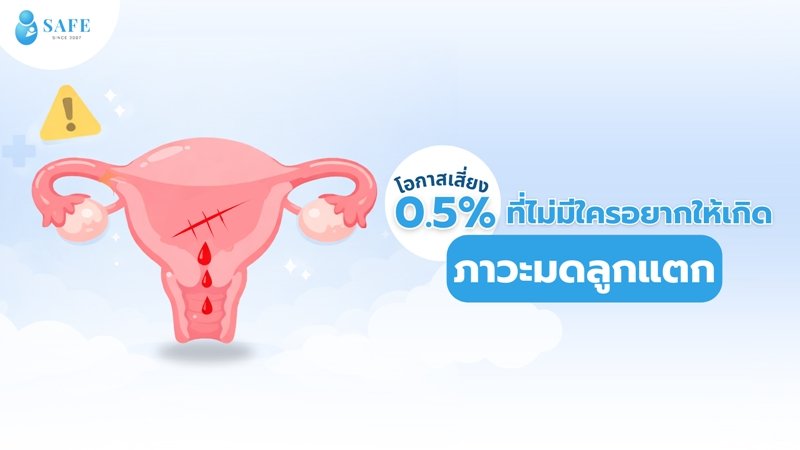
Although the occurrence of uterine rupture is rare, affecting fewer than 1% of pregnancies, it remains a critical emergency where "every second counts." This condition doesn't just impact the mother; it directly threatens the safety of the unborn child
Why is a "Previous Scar" a Major Risk Factor?
Most cases of uterine rupture occur due to a weakened uterine wall, particularly in mothers who have had a "Previous Cesarean Section" or "Myomectomy" (uterine fibroid surgery). These surgical scars can become vulnerable points as the uterus expands significantly in the third trimester or faces the immense pressure of contractions during labor. If the wall cannot withstand this pressure, it may tear, leading to severe internal bleeding.
4 Warning Signs to Watch For
Because this condition often happens suddenly, self-observation is your first line of defense:
- Abnormal Abdominal Pain: Intense, sharp, and persistent pain around the old scar area, even when the uterus is not contracting.
- Irregular Abdominal Shape: A tear can cause the baby to shift from its original position, leading to an asymmetrical abdominal shape or making parts of the baby unusually easy to feel through the skin.
- Signs of Shock: Feeling dizzy, experiencing heart palpitations, cold skin, or excessive sweating. Even if there is no visible vaginal bleeding, these can be signs of internal hemorrhage.
- Decreased Fetal Movement: A sudden drop in or total cessation of fetal movement, which indicates that the baby may be experiencing oxygen deprivation.
Guidelines for Prevention and Risk Reduction
- Detailed Medical History: Inform your doctor about any previous uterine surgeries from your very first prenatal visit so a safe delivery plan can be established.
- Controlling Fetal Weight: Through nutritional management, aim to keep the baby's weight within a safe range (typically under 3 kg) to reduce uterine strain.
- Preparedness of the Medical Team: Choose a facility equipped with a surgical team, anesthesiologists, and a blood bank ready for immediate emergency intervention 24/7.
- Continuous Monitoring (EFM): In high-risk groups, doctors will use Electronic Fetal Monitoring to track the baby's heart rate and uterine contractions continuously.
No one wants this condition to happen, and we recognize that it is often an unpredictable event. This information is provided to help every family prepare as best as possible. We offer our heartfelt support to every effort made to keep these precious little lives safe.

Manop Janthanaphan, M.D. , M.Sc. (Medical License Number: 28364)
Obstetrician & Gynecologist, Specialist in Gynecologic Oncology & Minimally Invasive Surgery SAFE Fertility Clinic, Phuket Branch