

Irregular Periods and Anovulation: A Hidden Cause of Infertility
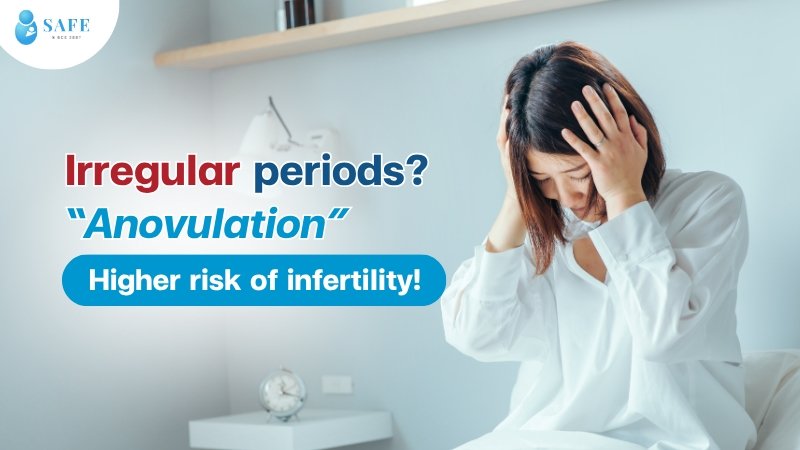
Many women believe that missing their period or having an inconsistent period cycle is caused by stress, fatigue, or minor lifestyle changes. However, irregular menstrual cycles can be a warning of ovulation problems, a common and overlooked cause of female infertility.
What Is Anovulation?
Experiencing irregular periods, missing periods for months, or having cycles that last more than 35 days are all symptoms indicating that you may be dealing with ovulation problems. Other signs like hormonal acne, unwanted hair, or sudden weight-gain may indicate conditions like PCOS, often leading to anovulatory cycles, where ovulation does not occur.
Ovulation is the release of an egg from the ovary. When anovulation happens, no egg is available for fertilization, and natural conception becomes difficult. This condition is a major cause of infertility in women, especially those with irregular periods or long gaps between cycles.
Signs You Might Not Be Ovulating
Common symptoms of anovulation and hormonal imbalance include:
- Menstrual cycles longer than 35 days
- Missed periods for over 3 months
- Periods occurring too frequently
- Acne, oily skin
- Excessive facial or body hair
- Rapid weight gain
- Mood swings, irritability
- Trying to conceive for over a year and is unsuccessful
What Causes Anovulation?
- Polycystic Ovary Syndrome (PCOS)
The most common cause of anovulation. Women with PCOS have higher androgen levels, which leads to abnormal ovulation. - Chronic Stress
Stress can affect the hypothalamus, disrupting hormones essential for ovulation. - Unhealthy Body Weight
Being underweight or overweight can lead to estrogen imbalance and ovulation problems. - Excessive Exercise
Overtraining—this is common among athletes or those with intense workout routines. This can lead to hormonal imbalances, causing menstrual irregularities and anovulation. - Thyroid and Pituitary Disorders
Both hyperthyroidism (overactive thyroid) and hypothyroidism (underactive thyroid), as well as pituitary tumors, can disrupt menstrual cycles and ovulation. - Elevated Prolactin
Prolactin normally helps stimulate milk production, but abnormally high levels can suppress the release of FSH and LH—two key hormones for ovulation, leading to infertility. - Other Factors
Certain medications, perimenopause, and modern lifestyle habits may also contribute to disrupted ovulation.
Long-Term Risks of Anovulation
Beyond fertility issues, chronic anovulation can also lead to serious health concerns, such as:
- Endometrial cancer from prolonged thickening of the uterine lining without normal shedding
- Type 2 diabetes particularly in women with PCOS
- Insulin resistance increasing the risk of cardiovascular disease and metabolic syndrome
How to Diagnose Ovulation Problems
If you’re experiencing irregular periods or suspect anovulation, consult a fertility specialist for a complete evaluation. Key diagnostic steps may include:
- Blood tests for hormones (LH, FSH, Estradiol, Progesterone)
- Androgen (male hormone) level testing
- Thyroid and pituitary function tests
- Ultrasound to examine the ovaries and uterus
- Blood sugar and insulin level screening (especially for suspected PCOS)
How to Improve Fertility If You’re Not Ovulating
1. Lifestyle Adjustments
- Healthy diet and weight control
- Regular low-impact exercise (yoga, swimming)
- Reducing sugar and refined carbs
- Stress management
2. Medical Treatments
- Ovulation induction medications (e.g., Clomiphene Citrate, Letrozole)
- Hormonal therapy or trigger injections
- Advanced fertility treatments: IUI, IVF, ICSI
Don't Ignore Irregular Periods—Take Action Early
Irregular periods or lack of ovulation may seem like minor inconveniences, however, over time, they can significantly affect your ability to conceive. If you're planning to have a baby or have noticed unusual menstrual patterns, don’t hesitate to seek expert care.
If you're experiencing irregular periods, having trouble ovulating, or finding it difficult to get pregnant, now is the time to act. At SAFE Fertility Clinic, our fertility specialists are here to guide your journey to parenthood.
Article by: Peangpailin Voradithi, M.D. (Dr.Tangmo)
SAFE Fertility Group PCL, Gaysorn Amarin Branch
Medical License Number 46855

Reference
- ภาวะมีบุตรยากในฝ่ายหญิง (Female Infertility), https://w1.med.cmu.ac.th/obgyn/lecturestopics/52667/
- ประจำเดือนไม่ปกติ ผมร่วง สิวเยอะ อ้วน เช็คอาการเสี่ยงภาวะถุงน้ำรังไข่หลายใบ (PCOS) ภัยเงียบและฝันร้ายของสาวอยากมีลูก, https://www.chula.ac.th/highlight/130554/