

Weight Loss for ICSI/IVF: How to Low-Calorie Diet Without Compromising Egg Quality
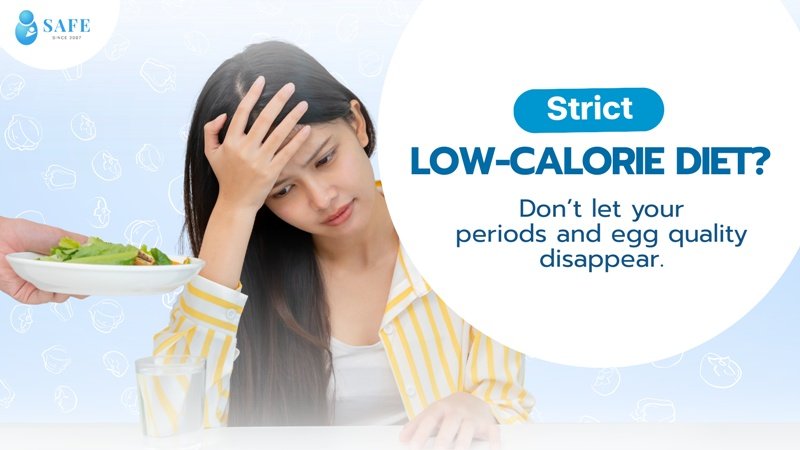
Low-Calorie Diet and Amenorrhea: Weight Loss Without Compromising Hormonal Balance Achieving a healthy physique is a common goal for modern women, but for those facing fertility challenges, weight management requires a deeper understanding of the body's mechanisms. While a Low-Calorie Diet (LCD) is a popular approach, excessive restriction can be a double-edged sword. It can lead to amenorrhea (absent periods) and severely compromise egg quality—the most critical factor in achieving success with IVF or ICSI in the long run.
Understanding Calorie Restriction in the Context of Fertility (ICSI/IVF)
When planning to manage your weight in preparation for ICSI/IVF, it is vital to understand how different dietary levels affect your hormones:
- Low-Calorie Diet (LCD) Restricting daily intake to 1,000–1,500 calories. The key is focusing on nutrient-dense foods to ensure biological functions remain normal. This method is suitable for those seeking gradual weight loss while effectively supporting their ICSI/IVF preparation.
- Very Low-Calorie Diet (VLCD) Restricting intake to fewer than 800 calories per day. Usually reserved for specific medical cases under strict supervision, this is not recommended for women about to undergo ICSI/IVF. Critical nutrient deficiencies at this level can hinder egg development and significantly reduce the chances of a successful pregnancy.
How Under-Eating Sabotages Your ICSI/IVF Journey
When the body experiences a prolonged energy deficit below its Basal Metabolic Rate (BMR), it enters a "Power-Saving Mode." To ensure survival, the body prioritizes vital organs, while the reproductive system is put on standby. This disruption affects brain-ovary communication, stopping the production of key hormones essential for ICSI/IVF:
- FSH (Follicle Stimulating Hormone): Essential for follicle growth. If levels are too low, eggs cannot develop properly during the stimulation phase.
- LH (Luteinizing Hormone): Triggers ovulation. Energy deficiency disrupts LH pulses, leading to irregular cycles or amenorrhea.
This hormonal imbalance does not just affect the menstrual cycle; it leaves the ovaries without the energy and raw materials needed to nurture eggs, leading to decreased egg quality, even in younger women.
Egg Quality: The Core of ICSI/IVF Success
- In the ICSI/IVF process, the health of the egg is paramount. Extreme dieting affects egg quality in several ways:
- Chromosomal Abnormalities: Insufficient energy can lead to incomplete cell division, increasing the risk of aneuploidy (abnormal chromosome numbers), which causes fertilization failure or early miscarriage.
- Oxidative Stress: Nutrient deficiency leaves eggs vulnerable to free radical damage, accelerating egg aging—a major hurdle in ICSI/IVF success.
- Lack of Healthy Fats: Fats are essential precursors for sex hormones. Without them, the body cannot nurture mature, high-quality eggs for your ICSI/IVF cycle.
Warning Signs Your Body Isn't Ready for ICSI/IVF
Sustainable weight loss should not come at the cost of reproductive health. If you are losing weight for ICSI/IVF and experience these symptoms, your fertility may be at risk:
- Amenorrhea: Periods that are absent or significantly delayed (35-45+ days).
- Physical Exhaustion: Constant fatigue, hair loss, or unusually dry skin.
- Estrogen Deficiency: Insomnia, mood swings, or "hot flashes" similar to menopause.
How To Restore Balance for a Successful ICSI/IVF Cycle
Your fertility shouldn't be the price you pay for fitness. Adjust your lifestyle to preserve your dream of motherhood:
- Eat for your BMR: Ensure calorie intake supports your body’s baseline needs so hormonal signaling can resume.
- Fuel with Healthy Fats: Avocados, nuts, and olive oil provide the essential raw materials for egg health.
- Lower the Stress: High cortisol from over-exercising can inhibit embryo implantation. Swap high-intensity workouts for yoga or walking.
- Boost with Fertility Nutrients: Supplements like CoQ10 and Folic Acid are proven to help restore egg quality before starting ICSI/IVF.
Understanding these bodily mechanisms ensures that weight loss and future family planning can coexist sustainably. If you are experiencing amenorrhea or are concerned about egg quality due to a Low-Calorie Diet, SAFE Fertility Clinic offers expert consultations and hormonal assessments to ensure a healthy physique is supported by complete internal wellness.

Article by: Peangpailin Voradithi, M.D. (Dr.Tangmo)
SAFE Fertility Group PCL, Gaysorn Amarin Branch
Medical License Number 46855
Reference
- Optimal Diet Strategies for Weight Loss and Weight Loss Maintenance https://pmc.ncbi.nlm.nih.gov/articles/PMC8017325/
- Tips to help you lose weight https://www.nhs.uk/live-well/healthy-weight/managing-your-weight/tips-to-help-you-lose-weight/
- The IOC consensus statement: beyond the Female Athlete Triad—Relative Energy Deficiency in Sport (RED-S) https://bjsm.bmj.com/content/48/7/491
- ประจำเดือนมาไม่ปกติ บอกอะไร? (Amenorrhea) : https://www.siphhospital.com/th/news/article/share/amenorrhea
- Female Athlete Triad :
- https://www.ncbi.nlm.nih.gov/books/NBK430787/
- The impact and utility of very low-calorie diets: the role of exercise and protein in preserving skeletal muscle mass: https://pmc.ncbi.nlm.nih.gov/articles/PMC10552824/